
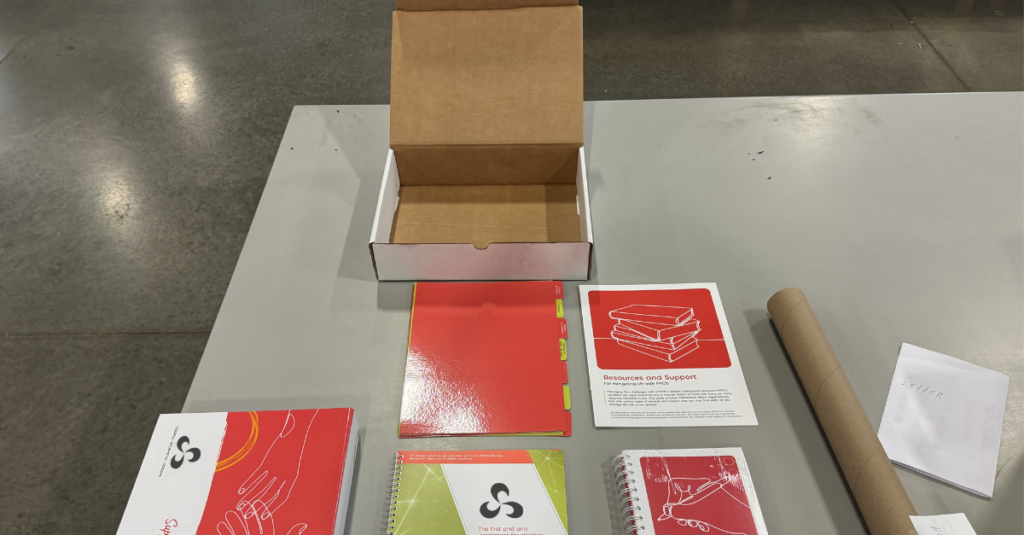
Choosing between pre-kitting and kit-to-order strategies represents one of the most critical decisions in modern fulfillment strategy. The right kitting approach directly impacts operational efficiency, shipping costs, and customer expectations. Pre-kitting involves assembling product bundles in advance. Kit-to-order assembles items only after receiving orders. Each strategy delivers optimal results under specific conditions based on demand forecasting, warehouse capacity, and inventory management requirements.
Subscription brands and e-commerce companies must navigate complex supply chain decisions. These decisions affect everything from storage space utilization to lead times. The choice between pre-kitting and kit-to-order fundamentally shapes how businesses manage their kitting process and order fulfillment capabilities.
Understanding Pre-Kitting and Kit-to-Order Strategies
Pre-kitting involves assembling multiple products into ready-to-ship kits before orders arrive. This proactive approach requires inventory optimization and careful demand forecasting to ensure assembled kits match actual customer demand. Companies using pre-kitting maintain dedicated storage space for completed assemblies. This creates a vending machine-like fulfillment experience where orders ship immediately upon receipt.
Kit-to-order takes the opposite approach. It assembles product bundles only after receiving specific orders. This reactive strategy offers maximum flexibility in product assembly and minimizes inventory management risks. The fundamental difference lies in timing and risk allocation. Pre-kitting assumes demand predictability and accepts inventory risk in exchange for faster order processing. Kit-to-order prioritizes flexibility and reduces inventory risk but accepts longer lead times and more complex warehouse operations.
When Pre-Kitting Makes Strategic Sense
Pre-kitting delivers optimal results when businesses can accurately predict demand patterns and maintain sufficient warehouse capacity. High-volume operations with consistent product assembly requirements benefit most from this approach. Subscription brands with predictable monthly shipments find pre-kitting essential for meeting customer expectations around delivery speed.
Seasonal promotions with known demand patterns represent ideal pre-kitting scenarios. Companies can leverage historical data and demand forecasting to pre-assemble promotional product bundles during slower periods. This strategy requires products with long shelf life and stable SKU velocity to minimize obsolescence risks. Available storage space becomes crucial for pre-kitting success. Organizations with dedicated warehouse capacity can maintain pre-assembled inventory without disrupting other warehouse operations. The strategy works best when shipping costs savings from consolidated packaging offset additional storage space expenses.
Kit-to-Order: The Flexible Alternative
Kit-to-order strategies excel in environments with variable order volumes and unpredictable demand patterns. This approach provides maximum flexibility for businesses managing high SKU variety with frequent product assembly changes. Logistics solutions that emphasize customization rely on kit-to-order to accommodate unique customer requirements. Short promotional windows requiring rapid product changes favor kit-to-order approaches. Companies can quickly adjust product bundles without worrying about obsolete pre-assembled inventory. Limited storage space constraints make kit-to-order attractive for businesses operating in expensive real estate markets or shared warehouse operations.
Custom or personalized product assembly requirements naturally align with kit-to-order strategies. This flexibility supports businesses serving diverse customer segments that have different needs. Effective custom kitting assembly processes ensure quality control and maintain efficiency.
Decision Framework: Five Critical Factors
Successful fulfillment strategy selection requires systematic evaluation of five critical factors:
- Order volume patterns and consistency
- Product shelf life considerations
- SKU velocity metrics and stability
- Promotional window timing requirements
- Storage space constraint evaluation
Each factor influences the optimal balance between pre-kitting and kit-to-order approaches. Order processing volume patterns provide the foundation for strategy selection. Consistent, high-volume orders with predictable product assembly requirements favor pre-kitting. Variable volumes with unpredictable timing support kit-to-order approaches.
Inventory management complexity increases with SKU variety and customization requirements. Businesses managing extensive product catalogs find kit-to-order more manageable than maintaining numerous pre-assembled combinations. Warehouse capacity limitations may force kit-to-order adoption regardless of volume patterns.
Order Volume Analysis
Effective order volume analysis examines historical patterns, seasonal variations, and growth projections to determine optimal kitting process approaches. Demand forecasting models must account for promotional impacts, market trends, and competitive dynamics affecting order patterns.
High-volume, consistent orders justify pre-kitting investments in storage space and inventory management systems. The operational efficiency gains from immediate order fulfillment offset additional carrying costs. Subscription brands with predictable monthly volumes represent ideal pre-kitting candidates. Variable or unpredictable order patterns favor kit-to-order flexibility. Businesses experiencing rapid growth or seasonal fluctuations benefit from avoiding inventory optimization risks associated with pre-kitting. Professional kitting services can accommodate these varying demands and maintain quality standards.
Shelf Life and Product Considerations
Product perishability and expiration dates impact pre-kitting viability versus kit-to-order flexibility. Items with short shelf lives or strict expiration requirements necessitate kit-to-order approaches to minimize waste and ensure product freshness.
Medical kitting applications require careful shelf life management due to regulatory requirements and patient safety concerns. Temperature-sensitive products require specialized storage space that affects strategy selection. Stable products with long shelf lives support pre-kitting strategies by reducing obsolescence risks. Specialized medical kitting processes must balance efficiency with compliance requirements.
Inventory management becomes simpler when products maintain quality over extended periods. Product assembly timing becomes less critical for durable goods compared to perishable items.
Storage Constraints and Cost Implications
Warehouse capacity requirements differ between pre-kitting and kit-to-order approaches. Pre-kitting demands dedicated storage space for assembled products. Kit-to-order requires component storage and assembly areas. Cost analysis must compare storage space expenses against labor and operational efficiency benefits.
Inventory optimization strategies must account for carrying costs, obsolescence risks, and warehouse operations efficiency. Pre-kitting increases inventory investment but reduces order processing costs through improved efficiency. Kit-to-order minimizes inventory risk but increases labor costs. Storage space expenses and inventory carrying costs offset these savings. Cost analysis must include all supply chain elements to determine optimal approaches.
Implementation Best Practices
Successful kitting process implementation requires careful planning, staff training, and system integration. Warehouse operations must adapt to support chosen strategies and maintain operational efficiency and quality standards. Change management becomes critical when transitioning between approaches. Technology integration supports both pre-kitting and kit-to-order strategies through improved inventory management and order processing capabilities. Logistics solutions must accommodate chosen approaches and provide visibility into demand forecasting and performance metrics.
Staff training ensures consistent product assembly quality regardless of chosen strategy. Operational efficiency depends on team understanding of procedures, quality requirements, and customer expectations. Regular training updates maintain performance standards as processes evolve.
Measuring Success and Performance Metrics
Key performance indicators for evaluating kitting process effectiveness include order fulfillment speed, accuracy rates, inventory optimization metrics, and customer expectations satisfaction. Operational efficiency measurements must account for labor costs, storage space utilization, and shipping costs optimization. Lead time tracking provides insight into fulfillment strategy performance and customer expectations alignment. Pre-kitting delivers faster order processing. Kit-to-order shows longer lead times but greater flexibility. Demand forecasting accuracy affects pre-kitting success rates. Experienced product kitting solutions providers, including medical kitting providers, can help establish these measurement frameworks.
Cost analysis must encompass all supply chain elements including warehouse operations, inventory management, and shipping costs. Regular performance reviews identify optimization opportunities and strategy adjustments needed to maintain competitive advantage.
Optimize Your Fulfillment Strategy With Diamond Fulfillment Solutions
Selecting between pre-kitting and kit-to-order strategies requires careful analysis of your specific warehouse operations, customer expectations, and supply chain requirements. The right choice balances operational efficiency with flexibility and optimizes inventory management and shipping costs. Professional guidance ensures optimal strategy selection and implementation. Speak with an expert in kitting at Diamond Fulfillment Solutions to get started.